
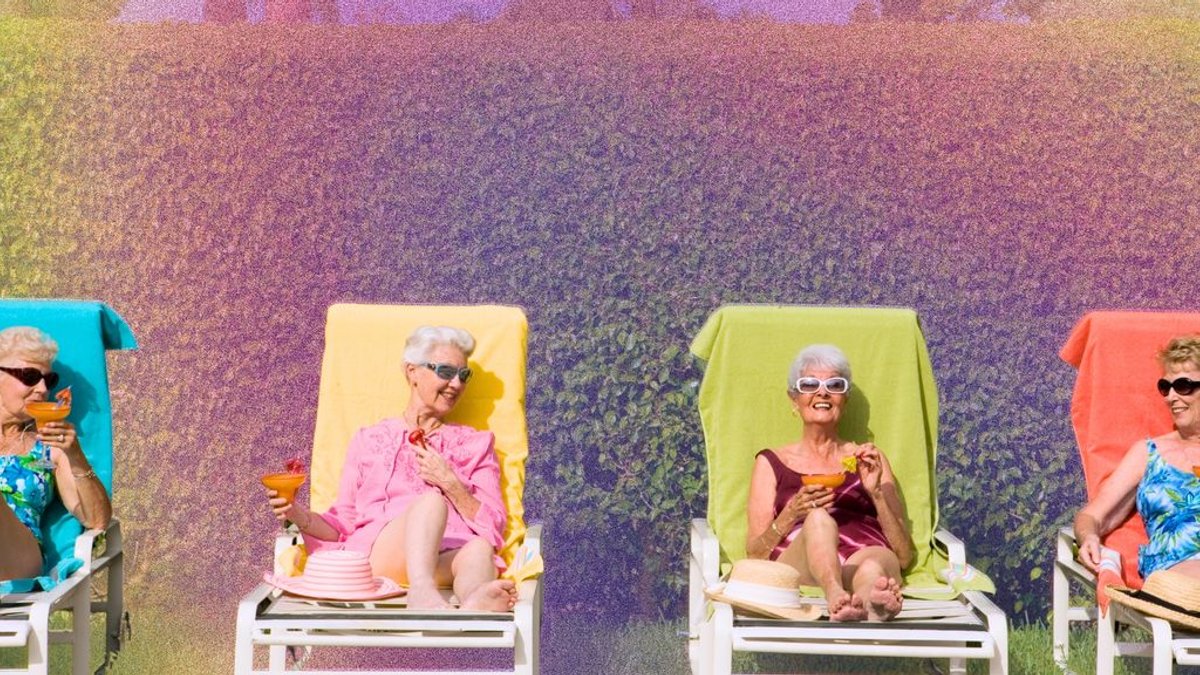
When asked whether single older women truly enjoy life without a spouse, a growing number of senior ladies say the answer is a resounding yes, a view echoed by psychologists and sociologists who study long‑term happiness.
Joan first felt the pressure in her thirties. A therapist, married with children, asked her not what she lacked but what kind of partner she might imagine.
She answered that she preferred someone “busy” and “never home.” The comment started as a joke, yet it sparked a realization that independence could be a deliberate choice.
Now 79, Joan remains single and says she has spent decades confirming that a life without a husband can be fulfilling.
Changing cultural narratives
In earlier generations, unmarried senior ladies were labeled “old maids” or “cat ladies,” implying a defect. Those terms suggested that singleness was merely a stopgap before marriage.
Today the picture is shifting. A recent Forbes Health survey found that 78% of dating‑app users feel burned out, and sexual activity among women has dropped about 50% over the last ten years.
Popular movies increasingly spotlight friendships and chosen families rather than romance, reflecting a broader cultural move toward autonomy.
Read Also: Flossing may help extend your lifespan
Everyday realities of senior singles
Women in their seventies I spoke with describe weekly gatherings, spontaneous trips, and the ability to buy property or start small businesses without consulting a partner.
One 73‑year‑old said her favorite part of life is “not having to bicker or put up with an incompetent man,” adding that she feels less stressed than ever.
According to the Pew Research Center, 42% of U.S. adults were unpartnered in 2023, up from 29% in 1990, showing a clear trend toward solo living.
Half of adults under 50 who are not dating say they have no interest in a relationship, indicating that choosing singleness is becoming a mainstream option.
Compared with the post‑war era, when marriage was often the only route to financial security, today’s seniors have more education and career opportunities, allowing them to sustain independence.
Expert insights
Psychologist Dr. Bella DePaulo coined the term “Single at Heart” to describe people who view singleness as a genuine preference rather than a fallback. She recalls smiling at past dates but feeling “finally free” after each ended.
She argues that couples are rarely as free as singles because a partner’s needs are constantly in the background, shaping decisions even when not spoken about.
Read Also: Healthy eating with pantry staples
Sociologist Kris Marsh notes that economic independence has lessened the pressure to marry, especially for Black middle‑class women, and that many now see relationships as “additive” rather than essential.
Alice Support, who turned 80, left a conventional marriage in 1988, returned to school, and built a nursing career. She says she loves retirement, travel, and the fact she no longer answers to anyone.
These stories illustrate that singlehood is often a flexible, evolving experience rather than a fixed stance against romance.
What the research says
Studies show satisfaction with singlehood rises after the forties, suggesting that confidence and self‑knowledge grow with age.
Married individuals are often assumed to be content, yet single seniors face scrutiny and are expected to prove their happiness, a pressure that can force them to stop justifying their choices.
Instead of defending their lifestyle, the women I met simply live their days, focusing on hobbies, friends, and personal goals without seeking external approval.
In the end, the evidence points to a quiet, enduring contentment among senior singles, grounded in autonomy and the freedom to direct their own lives.


