
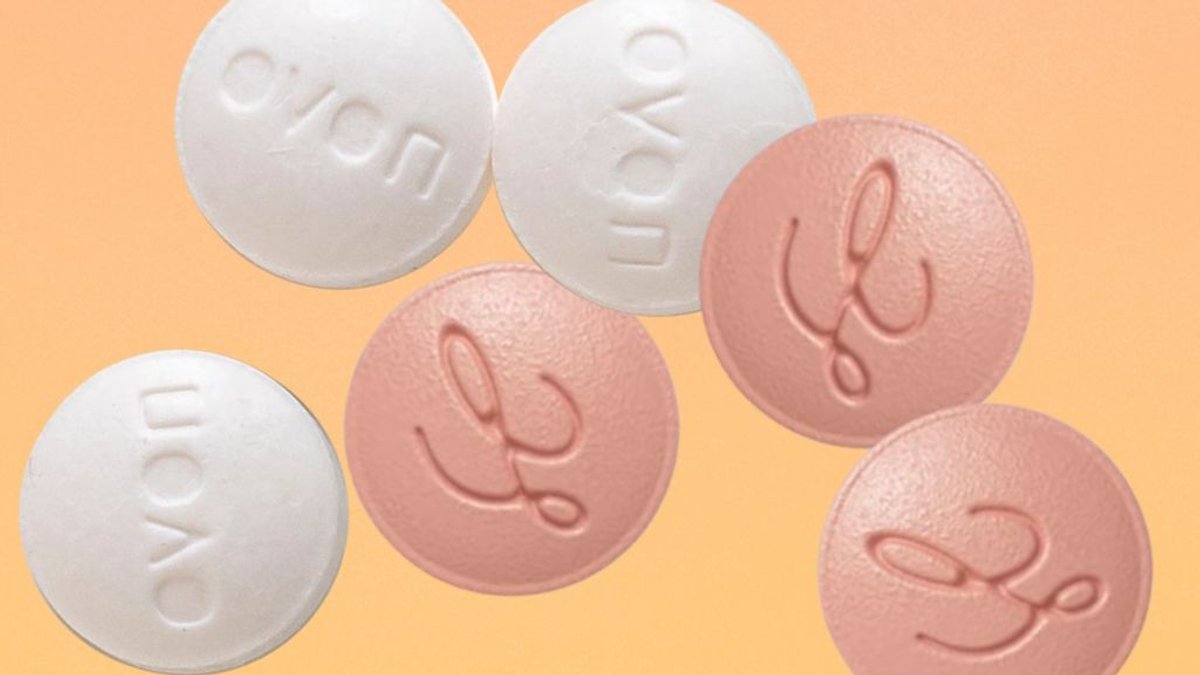
The weight-loss drug market has become more straightforward. For years, injectable medications like Wegovy led the field, but two oral alternatives—Wegovy and Foundayo—now compete for patients seeking to avoid injections. Both are FDA-approved GLP-1 receptor agonists, though they differ in dosing, ease of use, and real-world effectiveness.
Two pills, one goal: how they function
Novo Nordisk’s oral Wegovy replicates its injectable version by mimicking glucagon-like peptide 1 (GLP-1), a hormone that suppresses appetite and slows digestion. Patients begin with a low dose, gradually increasing to a maximum of 14 mg daily. The pill must be taken first thing in the morning on an empty stomach, with no food, water, or other medications for 30 minutes afterward.
Lilly’s Foundayo also targets GLP-1 but uses a small molecule structure instead of a peptide. This allows it to bypass stomach acid, eliminating the need for fasting or timing restrictions. Like Wegovy, dosing starts low and increases, up to 17.2 mg daily.
The difference extends beyond chemistry. “Orforglipron’s small molecule design lets it pass through the gut intact regardless of meal timing,” explains Tony Yang, a professor at George Washington University. “No fasting window, no scheduling your medication. You simply take it.”
Weight-loss outcomes: similar but distinct
Both drugs produce substantial weight loss, though results vary slightly. In Lilly’s trials, adults on the highest Foundayo dose lost an average of 27 pounds (12.4% of body weight) over 72 weeks. Wegovy’s website reports a trial where participants lost 33 pounds (14% of body weight) over 64 weeks.
A direct comparison is complicated. Novo Nordisk published an indirect analysis suggesting its 25 mg Wegovy dose outperformed Foundayo’s 36 mg dose (equivalent to the FDA-approved 17.2 mg). The company stated that Wegovy users experienced greater weight loss, while Foundayo users were four times more likely to discontinue treatment due to side effects. However, the data came from separate trials rather than a head-to-head study.
“An indirect treatment comparison cannot replace randomized head-to-head trials,” a Lilly representative stated. “Our priority is ensuring every patient achieves the best possible results with Foundayo.”
How lifestyle impacts drug effectiveness
Physicians stress that neither drug works independently. “Patients must still make healthy choices, including proper nutrition,” says Mir Ali, medical director of a California weight-loss center. “Otherwise, these medications will not deliver results.”
The key distinction lies in how each drug fits into daily routines. Wegovy’s strict timing may suit those who prefer structure, while Foundayo’s flexibility could benefit shift workers or frequent travelers.
Grace Spencer, a nurse practitioner specializing in endocrinology, describes the new oral options as “a major improvement for patient compliance.” Yang agrees, noting that “the most effective medication is the one taken consistently.”
Side effects overlap—nausea, diarrhea, and fatigue affect both, but Foundayo adds hair loss and indigestion to its profile, while Wegovy includes dizziness and low blood sugar risks for diabetics.
Choosing between them depends on individual needs rather than which is superior. The decision begins with a doctor and concludes with a prescription.
Drug interactions and health risks differ
Beyond dosing and convenience, the drugs differ in interactions with other medications and underlying health conditions. Wegovy’s semaglutide shares its structure with Ozempic, a diabetes treatment from Novo Nordisk. This means Wegovy users may face similar drug interactions, particularly with insulin or sulfonylureas, which can cause dangerously low blood sugar. The FDA warns that semaglutide may trigger severe hypoglycemia in diabetics, requiring careful monitoring. Foundayo, however, has no known interactions with diabetes medications, though Lilly acknowledges that its trials included few diabetic participants, leaving some uncertainty about long-term safety in that group.
For patients with gastrointestinal issues, tolerance may determine the choice. Wegovy’s fasting rules could worsen symptoms for those with acid reflux or motility disorders, while Foundayo’s flexibility might provide relief. Some clinicians observe that patients with chronic nausea or vomiting, common side effects of both drugs, find Foundayo easier to manage because it does not require an empty stomach. However, Foundayo’s broader side effect profile, including hair loss and indigestion, may discourage some users. Lilly’s trial data showed that 12% of participants on the highest dose discontinued treatment due to adverse effects, compared to 8% in Wegovy’s trials, though direct comparisons remain limited.
Cost also plays a role. As of mid-2024, Wegovy’s oral version costs $1,349 per month without insurance, while Foundayo’s list price is $1,299 per month. Both are covered under most obesity-related insurance plans, but copays and formulary restrictions vary. Novo Nordisk offers patient assistance programs for Wegovy, including discounts for uninsured individuals, but Lilly has not yet announced similar initiatives for Foundayo. Some providers expect insurers may resist covering the oral options due to lower reimbursement rates for pills compared to injections.
Real-world data and diversity gaps remain
The FDA’s approval of Foundayo raises new questions, as real-world data is still developing. Lilly’s trials included predominantly white participants, with only 12% identifying as Black and 18% as Hispanic, a pattern seen in obesity research. Wegovy’s larger user base means its long-term safety profile is better documented, especially in diverse populations. “We’re still observing how these drugs perform outside clinical settings,” says Andrew Giaquinto. Side effects like hair loss or indigestion may become more apparent as Foundayo’s user base expands. For now, doctors recommend starting at the lowest dose and increasing gradually to assess individual tolerance.
The final decision rests with the prescribing physician, who must evaluate a patient’s medical history, lifestyle, and risk tolerance. Geetika Arora advises focusing on practicality: “Ask yourself, Will I forget to take this? If the answer is yes, Foundayo may be the better option.” For others, the slight weight-loss difference, even in indirect comparisons, could justify the stricter regimen. Either way, the oral options remove the need for injections, but the rest depends on the patient. The prescription determines the choice, but the pill bottle holds the outcome.


