
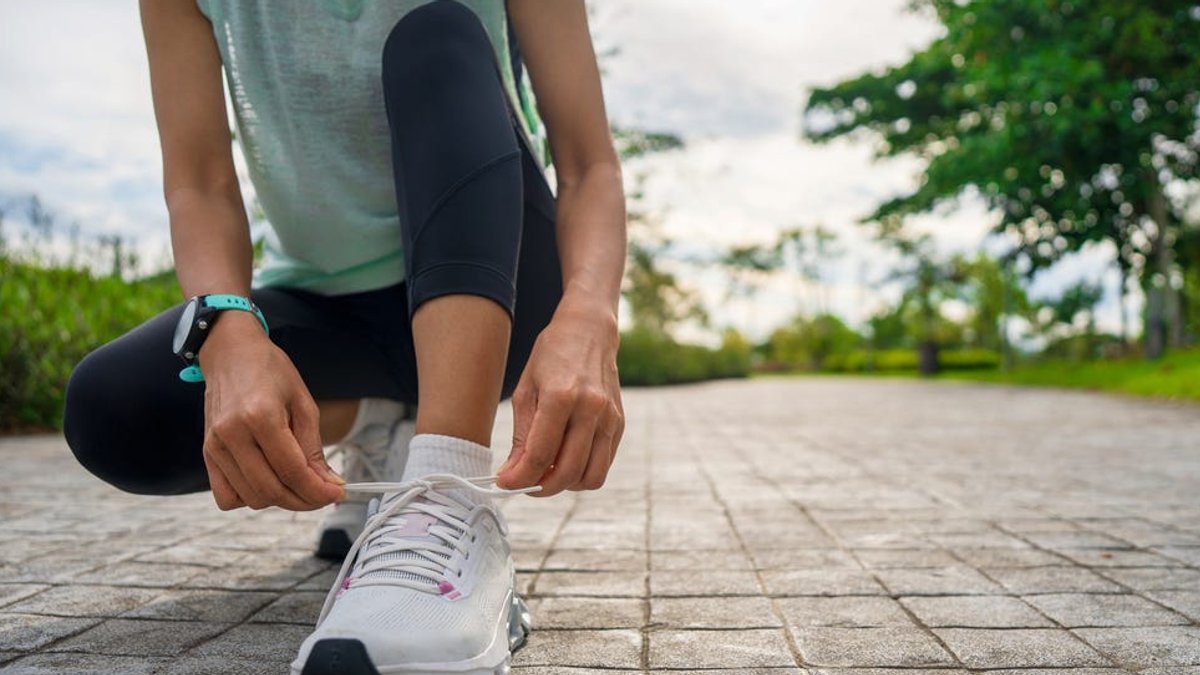
A writer who had always been an active walker, averaging 7,000 steps a day, decided to try the Japanese Walking Method for a month to challenge herself and improve her fitness. She had noticed that the benefits of her regular walks had plateaued, and she was eager to try something new.
The Japanese Walking Method involves interval walking, where you alternate between faster and slower paces. This method was developed by Hiroshi Nose, M.D., Ph.D., an exercise physiologist in Japan, about 20 years ago. According to Michele Stanten, an ACE-certified fitness instructor and walking coach, “We tend to get into a very comfortable pace for walking, especially if you’re walking with a friend and talking, which doesn’t always give us the most benefits.”
How the Japanese Walking Method Works
The method involves walking at a normal pace for three minutes, then walking at a faster clip for three minutes. You should be walking fast enough that you would have trouble carrying on a conversation. This pattern is repeated for 30 minutes total.
The writer started with the Japanese Walking Method and noticed a few things on her first day. She felt like she was walking very fast, and she was sweating more and breathing harder. She also experienced a strain on the top of her right foot, which she assumed was from not stretching beforehand.
After the first day, the writer made sure to stretch before her walks and quickly got used to the feel of sweating while walking. She also started to enjoy the workout and didn’t care how she looked to onlookers. By the end of the second week, she had started to jog during her fast intervals, which was a surprise to her since she hadn’t run in 15 years.
The writer found that the Japanese Walking Method made the time pass by more quickly, and she was able to add more jogging to her fast intervals. She also noticed that her overall walking pace had picked up, and even her slow times had gotten a little faster.
Related Post: How Emmerdale star found joy in exercise to lose 12
According to Stanten, the Japanese Walking Method can be modified to suit individual needs, and it’s essential to start at a pace that works for you. She recommends trying the workout two to three times a week and always warming up with walking stretches before setting out.
Research has shown that the Japanese Walking Method can have several benefits, including reduced systolic blood pressure, stronger muscles and bones, increased aerobic capacity, and healthy weight management. A study published in the Mayo Clinic Proceedings found that participants who engaged in the Japanese Walking Method experienced a reduction in systolic blood pressure and increased thigh muscle strength.
A separate study published in PLOS One found that five months of interval walking was associated with an increase in bone density in postmenopausal women who started off the trial with lower bone density. The writer’s experience and the research suggest that the Japanese Walking Method can be an effective way to improve fitness and overall health.
The writer used a pair of Hoka Clifton 11 walking shoes and an Apple Watch to time her intervals. She found that the shoes were comfortable and supportive, and the watch helped her keep track of her workouts.
Long-term Benefits
A follow-up study showed that adults who continued the Japanese Walking Method for 10 years maintained better aerobic capacity and knee strength. Even those who had stopped doing the program had a slower decline in physical fitness than those who had never done it at all.


