
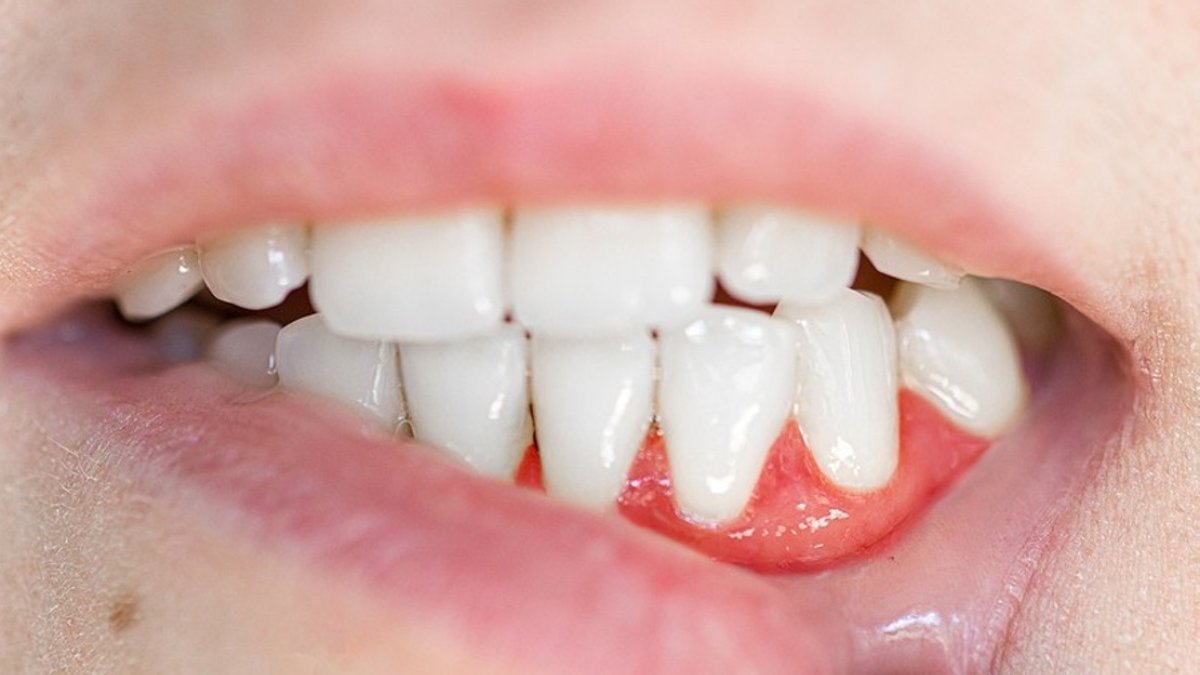
If osteoporosis concerns you, your next dental checkup could be more important than expected. New research shows chronic gum disease may speed up bone loss throughout the body by disrupting the gut microbiome.
A team from Nanjing University and Griffith University conducted the study. Their findings revealed that inflammation from periodontitis alters gut bacteria in ways that worsen osteoporosis-like conditions in mice. Animals with both gum disease and induced bone loss experienced more severe skeletal deterioration than those with bone loss alone.
From mouth to gut to bone
The damage extended beyond the jaw. Mice with periodontitis lost more bone in their femurs, showed changes in their intestinal barriers, and had increased systemic inflammation. These results suggest a biological pathway: oral inflammation reshapes gut bacteria, which then affects bone metabolism.
“Periodontitis doesn’t just disturb oral microbiota; it also impacts the gastrointestinal microbiome, weakening gut barrier function and increasing inflammation throughout the body,” said Yin Xiao, a professor at Griffith University’s School of Medicine and Dentistry.
Related: How to Get Your Doctor to RSVP to Health Portals
The team examined more than bone density. They used molecular and microbiome analyses to track how gut bacteria changes might influence bone formation and breakdown. The data indicated a chain reaction: gum inflammation disrupts the gut, altering immune and metabolic processes that contribute to bone deterioration.
To test whether gut changes directly caused bone loss, researchers transferred fecal microbiota from mice with periodontitis into healthy mice. The recipients developed worse bone loss and inflammation. When microbiota came from mice whose gum disease had been treated, the effects were partially reversed.
The study supports the idea of an “oral-gut-bone axis”—the concept that inflammation and microbes in one part of the body can affect distant tissues. Bone constantly remodels, with cells breaking down old tissue and others building new. Chronic inflammation can shift this balance toward loss.
For those managing osteoporosis, the findings highlight oral health as another factor in skeletal well-being. However, it should not replace established treatments. Symptoms like bleeding gums, persistent bad breath, or loose teeth may indicate periodontitis. Addressing it early could help protect more than just your teeth.
Related: New Medications for Hospital Doctors to Consider
What the research doesn’t say
The study does not prove that treating gum disease will prevent osteoporosis in humans. Mice differ from people, and their biology cannot fully replicate human aging, diet, or medication use. Clinical trials are necessary to confirm whether the same pathway exists in humans.
Persistent gum inflammation should not be ignored. While good oral hygiene won’t replace osteoporosis medications, it may help maintain bone health as people age. The study appeared in npj Biofilms and Microbiomes.
For now, the advice is straightforward: if your gums bleed when you brush, discuss it with your dentist. The impact may extend well beyond your mouth.


