
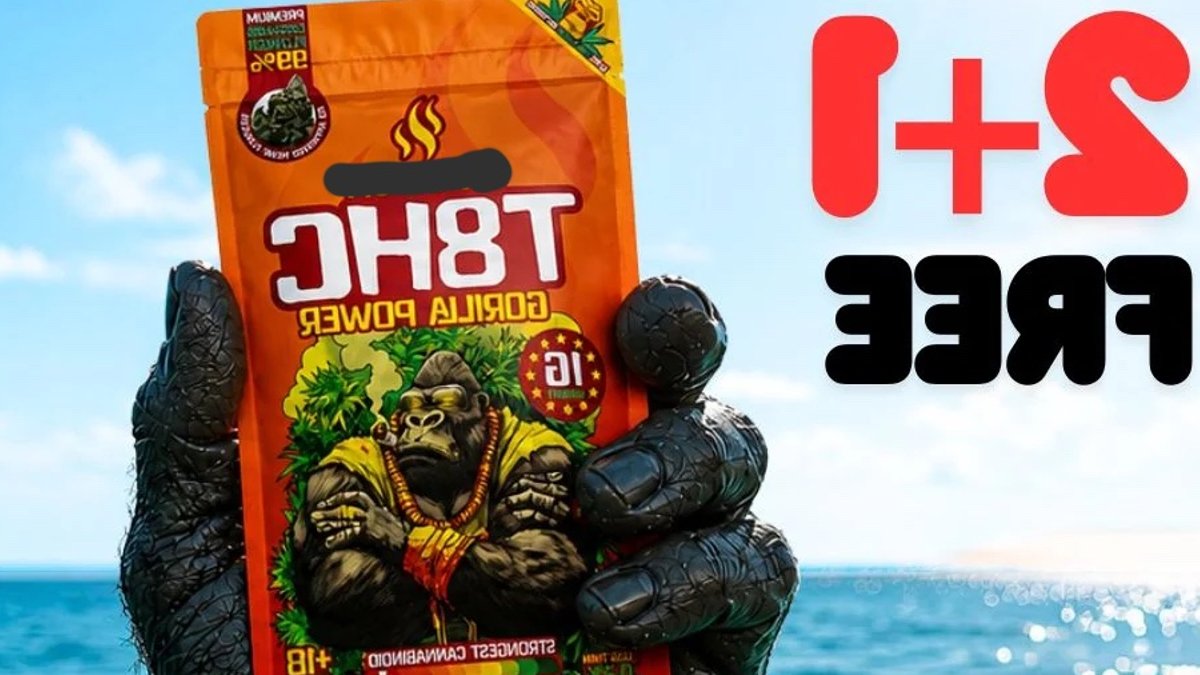
Social media platforms are awash with colorful images of hemp-derived cannabinoid products that make the substances look more like lifestyle accessories than products capable of causing intoxication. A new study from Rutgers University finds that safety warnings appear far less often than recreational and youth-oriented messaging in posts from leading brands.
Study Analyzed Hundreds of Instagram Posts
Researchers examined 837 Instagram posts published by nine leading cannabinoid brands between February 2024 and February 2025. Trained coders reviewed the content using a code book developed by the research team, assessing themes including product descriptions, recreational appeals, youth-oriented imagery, health claims and safety warnings.
Product descriptions or imagery appeared in over 75 percent of posts, while 52 percent used recreational themes. Nearly half included youth-oriented imagery or cultural cues meant to appeal to various segments of the market.
Related: How oral health affects your whole body
By contrast, health and age warnings appeared in only 2.5 percent of posts, while health or therapeutic claims appeared in 10.2 percent.
Regulatory Gaps and Platform Policies
The 2018 Farm Bill changed the federal definition of hemp, making these products more widely available. Although federal policy is now shifting again, the researchers caution that established social media audiences may continue to encounter indirect lifestyle and brand marketing online.
Social media can put promotional content in front of people without the context consumers might receive from a health professional or a traditional advertisement. The researchers also noted that platform policies often use broad or vague language about cannabis and THC promotion, leaving room for brands to post content that does not directly sell a product but still makes its use seem normal or appealing to younger audiences.
Beverages received particularly strong promotional attention among the products studied. Youth-oriented themes appeared in over 53 percent of posts about cartridges or vapes and over 49 percent of posts about edibles.
Related: User Blocked from Online Service
These findings highlight important gaps in platform policies and enforcement, according to Julia C. Chen-Sankey, an assistant professor in the Department of Health Behavior, Society, and Policy at the Rutgers School of Public Health and a member of the Rutgers Institute for Nicotine and Tobacco Studies.
In addition to maintaining the prohibition on intoxicating hemp products set forth in Public Law 119-37, regulators and social media companies need clearer standards addressing youth-oriented features, such as cartoons and memes, as well as potentially misleading health claims and inadequate safety information.
For consumers, the takeaway is simple: attractive images, memes and casual lifestyle messages are marketing, too. When a product can cause intoxication, a polished social media post should not be mistaken for a safety assessment.


