
Art education extends far beyond teaching children how to draw or select appealing colors. It supports curiosity, patience, and the ability to interpret the world around them. In Vaughan, children’s art classes provide a structured environment where young learners can develop their creative skills and build confidence through consistent practice.
Transforming Imagination into Tangible Creations
While children often possess vivid imaginations, they may need guidance to bring their ideas to life. Instructors might start by teaching basic shapes, then encourage students to design imaginary animals. From there, children decide on colors, features, and presentation styles. This approach ensures each child’s unique perspective shines through, resulting in diverse outcomes from the same activity.
A supportive creative environment should promote experimentation without demanding perfection. When students are free to explore ideas, they develop innovative solutions to artistic challenges. This freedom allows them to refine their skills and discover their individual artistic voices over time.
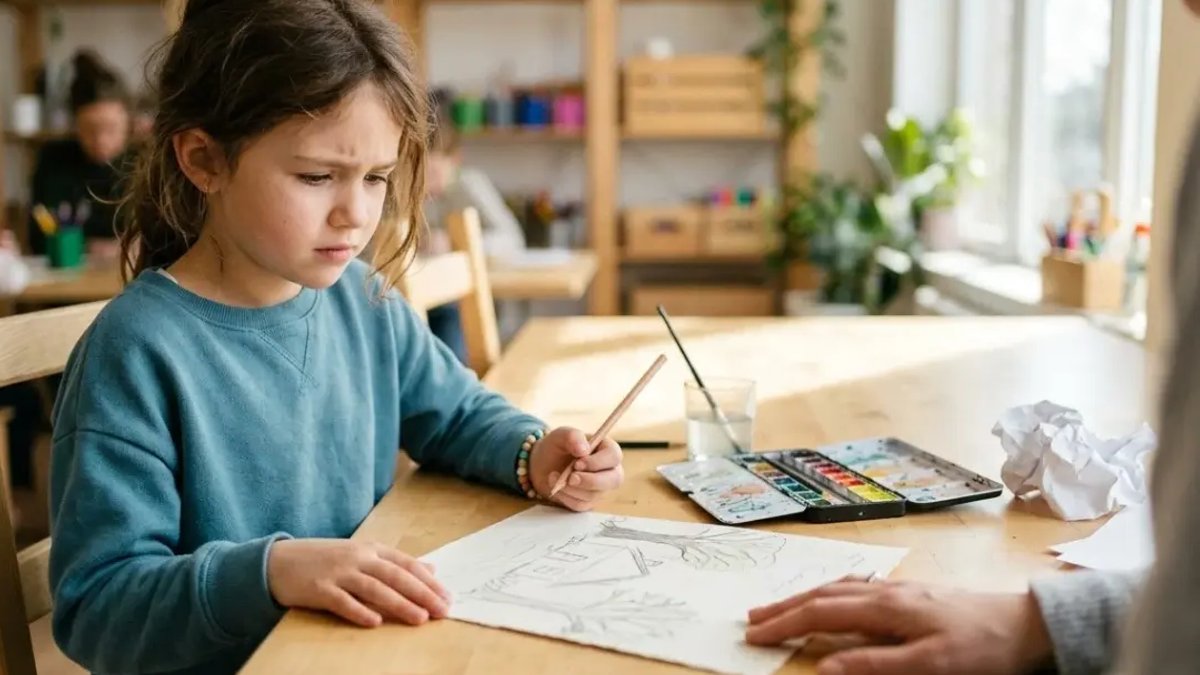
Confidence grows as children tackle new tasks, overcome obstacles, and recognize their progress. Initially, a child might struggle with drawing a face, balancing a composition, or mixing colors. With guidance and practice, these tasks become easier. Completing a project reinforces the idea that effort and persistence lead to improvement.
This lesson is particularly valuable, as children face challenges in both school and daily life. Learning to approach artistic problems patiently can support a positive mindset toward other learning experiences. Teachers play a key role by providing specific, constructive feedback. Comments on shading techniques, color choices, or attention to detail help children understand their strengths.
Every art project requires decision-making. Children must choose object placement, materials, and how to express their ideas, while adapting when things don’t go as planned. These choices support flexible thinking. For example, if a painting diverges from the original plan, a child might add new details or adjust the composition instead of viewing it as a failure.
Read Also: Scientists remain divided on bee venom therapy efficacy
Art activities also enhance observational skills. Drawing familiar objects encourages children to notice shapes, patterns, proportions, and details they might otherwise miss. While art lessons have their own goals, the critical thinking skills developed can complement learning in subjects like math, science, reading, and design.
Expressing Emotions Through Art
Children often struggle to articulate their emotions verbally. Drawing and painting offer an alternative way to communicate experiences, preferences, and imaginative stories. A child might use lively colors to depict a happy memory or create a scene of a favorite place. Discussing the finished artwork can help parents and teachers understand a child’s interests and perspectives.
Art should not be used as a measure of emotional well-being, and a single piece cannot fully explain a child’s feelings. However, creative activities can serve as a comfortable starting point for conversation. A supportive instructor respects each child’s choices and avoids pressuring them to explain their work if they feel uncomfortable.
Group art classes provide opportunities for children to connect with peers who share similar interests. Students can exchange ideas, observe different techniques, discuss projects, and learn to appreciate diverse artistic approaches. Collaborating with others also teaches patience and cooperation, as students share supplies, take turns, and listen to instructions.
Selecting the Right Art Program
Parents should choose a program that aligns with their child’s age, experience, interests, and comfort level. Beginners may benefit from lessons focusing on basic techniques, while more experienced children might seek challenging projects.
Supporting Young Artists’ Growth
Children thrive when adults acknowledge their effort and curiosity rather than comparing their work to others. Parents can nurture artistic development by displaying their child’s favorite projects, providing creative materials at home, and asking about their learning experiences.


