
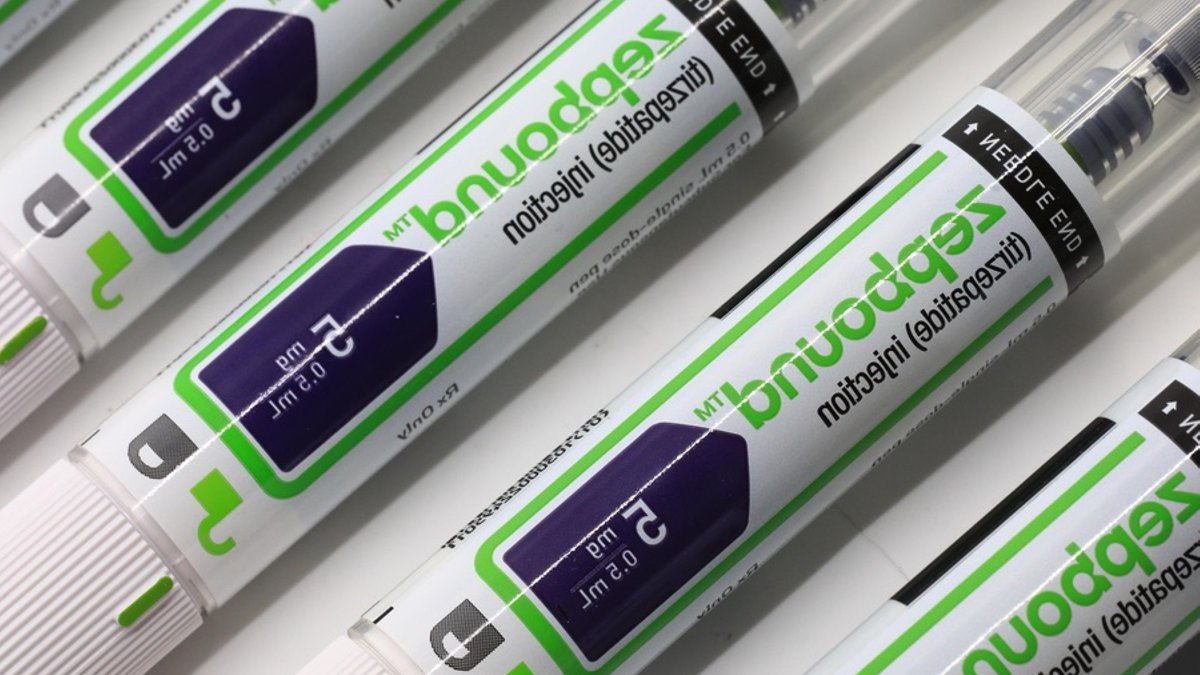
Jeff La Marca believed he had found a solution to afford the weight-loss drug Zepbound when Medicare introduced an 18-month pilot program offering GLP-1 medications for $50 a month. The 68-year-old from Basking Ridge, New Jersey, had struggled with diets and exercise for years. His obesity—a BMI of 42, a quadruple heart bypass, and prediabetes—made the $750 monthly cost impossible to manage.
His application was rejected.
La Marca suffers from severe obstructive sleep apnea, one of several conditions that exclude patients from the Medicare GLP-1 Bridge program’s discounted price. The denial letter provided no explanation. “I’m obese, morbidly obese. I had quadruple heart bypass surgery. I’m at risk for stroke. I’m prediabetic. And yet I can’t get it,” he said. “I’m furious.”
The Catch in Medicare’s GLP-1 Discount
The Bridge program, launched in July, covers three GLP-1 medications—Wegovy, Zepbound’s KwikPen formulation, and the oral drug Foundayo—for weight loss at a fixed $50 monthly cost. To qualify, patients must be enrolled in Medicare Part D. However, the discount applies only to those using the drugs exclusively for weight loss.
Related: Hospitalist Archive: Key Clinical Questions
Anyone with a condition the FDA has approved GLP-1s to treat—such as Type 2 diabetes or moderate to severe obstructive sleep apnea—is directed back to their Part D plan, where copays can be hundreds of dollars a month. This rule affects La Marca and an estimated 5.9 million other Medicare enrollees.
Juliette Cubanski, who leads the Program on Medicare Policy at KFF, explained that the program was intended for those who couldn’t access GLP-1 coverage through Part D but would benefit from the drugs. The fine print leaves patients like La Marca in a difficult position: technically eligible but unable to pay.
A Centers for Medicare & Medicaid Services spokesperson stated that the program’s initial weeks had proceeded smoothly, with most prior authorization requests processed in under 12 hours. “This has allowed thousands of eligible beneficiaries to obtain GLP-1 medications for weight loss at pharmacies nationwide,” the spokesperson said.
Coverage Doesn’t Guarantee Access
For patients with conditions like sleep apnea or diabetes, the Bridge program’s structure creates a contradiction. The same medical need that justifies a GLP-1 prescription also disqualifies them from the discount. La Marca’s insurer did not comment on his case, but studies show Medicare insurers increasingly require prior authorization for GLP-1s, and out-of-pocket costs have climbed. Nearly all Part D plans now impose these restrictions, making access difficult even for those who qualify.
Related: Website visitors blocked after access error
La Marca’s prescription remains unfilled. He has appealed the decision, but his sleep apnea diagnosis, which highlights his medical need, is the same reason he can’t access the discount. “This is now my mission, because it’s my only chance to improve my health,” he said, his voice breaking. “It’s the only thing left. I’ve tried everything.”
The Bridge program’s limited eligibility highlights a broader conflict in Medicare’s handling of weight-loss drugs. While the pilot tests whether covering GLP-1s for obesity could reduce long-term costs—by preventing heart attacks, strokes, or diabetes complications—it excludes those who might need them most. The program’s future remains uncertain as the 18-month window progresses.
For now, the $50 price remains unattainable for millions, despite rising demand.


