
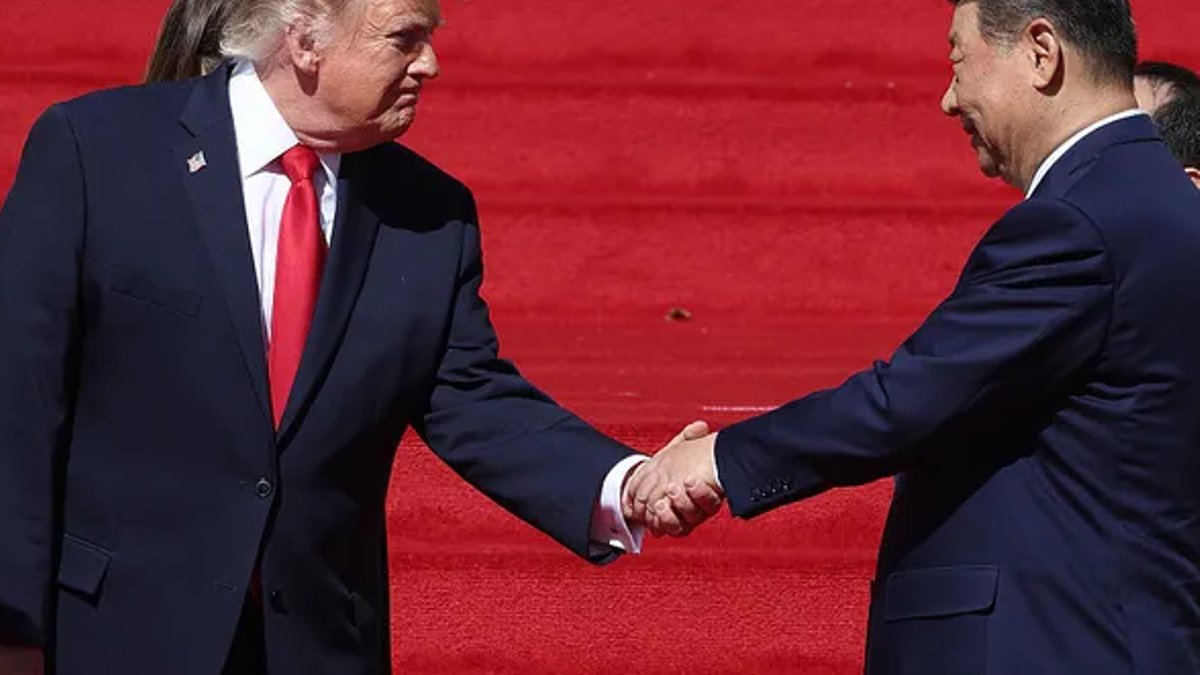
A U.S.-China trade board has proposed lower tariffs on U.S.-bound household goods and toys, but the White House did not specify reduction amounts or an implementation date. The U.S.-China Board of Trade has recommended reduced tariff treatment for non-sensitive goods covering roughly $30 billion in imports for each country, the Trump Administration said Sunday.
“From agricultural products to medical devices, President [Donald] Trump is unlocking improved market access for about 30 percent of U.S. exports to China, while benefiting consumers with imports from China of household goods, toys, and other products that the United States generally does not import from other countries,” U.S. Trade Representative Jamieson Greer said in a statement. How much tariffs could be reduced and when they could occur was not detailed in documentation released by the White House.
Finalizing tariff reductions will require approval through each country’s legal processes, meaning deadlines remain unclear. A terms-of-reference document states that future changes will depend on internal procedures, leaving potential delays unresolved. Some analysts, including Wendy Cutler of the Asia Society Policy Institute, questioned whether the U.S. would solicit public input on the product list, indicating a possible lack of transparency in the process.
Read Also: Lab Industry Pushes Congress for Medicare Payment Reform
The trade board, established in May, includes officials such as Greer, Treasury Secretary Scott Bessent, and China’s Vice Premier He Lifeng. Their objective is to “optimize bilateral trade,” with representatives from both sides overseeing progress and potentially broadening tariff relief to additional categories. The announcement follows President Xi Jinping’s visit to the White House last week, where the U.S. and China extended their trade truce by two months.
American consumers could see lower prices on everyday items, though the absence of clear timelines means relief may not arrive immediately. Businesses dependent on Chinese imports might benefit from reduced costs, but the exclusion of public consultation raises concerns about whether the affected product list will remain adaptable.
The board’s representatives will monitor trade patterns for the included products, with the option to include more items in the tariff relief program.


