
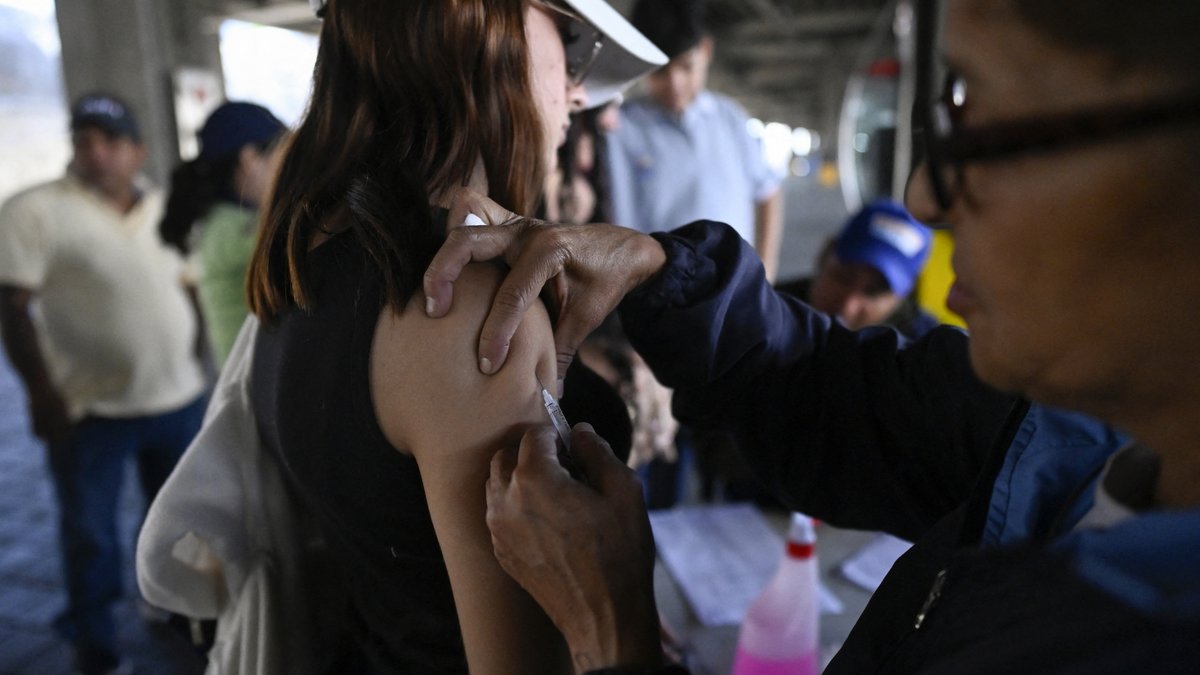
According to the Ohio Department of Health, the state has recorded 228 measles cases in 2026. This figure represents a significant increase from the 45 cases reported in 2025 and the seven cases documented in 2024.
Geauga County leads with the highest number of cases at 50, followed by Wayne County with 45, and Ashtabula County with 41. Tuscarawas, Harrison, Holmes, and Trumbull counties have each reported between eight and 13 cases.
Measles Outbreak in Northeast Ohio
The rate of new infections shows no signs of slowing. As of mid-September, Ohio’s total stood at 180 cases, meaning approximately 48 new infections emerged in about three weeks.
For residents in Northeast Ohio and surrounding rural areas, measles has become a pressing concern for every household. Three neighboring counties account for about six of every 10 cases statewide.
Geauga County has seen the fastest rise in cases recently, increasing from 38 in mid-September to 50. Ashtabula County’s cases grew from 32 to 41, while Wayne County’s count moved from 43 to 45 during the same period.
Exposure Events and Vaccination Status
Health authorities previously linked the outbreak to exposure events at a horse sale in Bloomfield and a stable in Sugarcreek. Cases in Northeast Ohio involve individuals who were unvaccinated, under-vaccinated or of unknown vaccination status, and state data through mid-September showed that 169 of 180 cases were acquired in Ohio rather than imported.
The 2026 total encompasses several outbreaks the state has declared this year. MedicalDaily reported in mid-August that Pennsylvania and Ohio were driving national case growth, when Ohio stood at 69 cases in 11 counties. Since then, the statewide count has more than tripled and cases have been reported in at least 15 counties, including new cases in Meigs and Gallia counties along the Ohio River.
Ohio’s figures are part of the worst national measles year in decades. The CDC reported 4,080 confirmed U.S. cases in 2026 as of October 8, compared to 2,289 cases in all of 2025.
Approximately 96% of this year’s cases are associated with outbreaks, and the CDC has recorded two measles-related deaths in 2026. National kindergarten vaccination coverage for the measles, mumps, and rubella (MMR) vaccine dropped from 95.2% in the 2019-20 school year to 92.4% in 2025-26.
Read Also: Colorado Ends Medicaid Contract With FreedomCare
Dr. Bruce Vanderhoff, Director of the Ohio Department of Health, expressed concern that these outbreaks have become more frequent in Ohio, despite the disease being preventable. Dr. Donald Dumford, an infectious disease specialist at Cleveland Clinic, emphasized that even partial protection significantly reduces risk.
“One dose of MMR for measles is 93% effective,” he said. He added that people unsure of their status can ask a primary care physician about an antibody test or an additional MMR dose.
As cases continue to rise, officials urge families to take preventive measures. Those most at risk include unvaccinated individuals, babies under 12 months, pregnant people without immunity, and those with weakened immune systems.
Families should begin by locating vaccination records for all household members. Two doses of the MMR vaccine provide approximately 97% protection against measles. Adults born in 1957 or later without vaccination records or proof of past infection should consult a healthcare provider.
The Ohio Department of Health updates its infectious disease dashboard regularly.
Vaccine Access and Prevention
In outbreak areas, pediatricians may recommend an early MMR dose for infants aged 6 to 11 months. Measles is highly contagious, spreading through the air and remaining in a room for up to two hours after an infected person leaves.
Early symptoms include high fever, cough, runny nose, and red, watery eyes, followed by a rash that starts at the hairline and spreads down the body. People can spread the virus from four days before through four days after the rash appears.
Anyone who suspects measles should call a doctor’s office, urgent care center, or emergency department before arriving so staff can prevent exposures in waiting rooms. Trouble breathing, confusion, seizures, or signs of dehydration need urgent care.
MMR vaccine is generally covered by private insurance and Medicaid, and children who are uninsured or underinsured may qualify for no-cost shots through the federal Vaccines for Children program. County health departments and many pharmacies can advise on where to get vaccinated.


