
Pennsylvania reported five measles-associated fatalities in 2026, while the federal government’s national count lists only two deaths nationwide. This mismatch has drawn congressional scrutiny and highlighted tensions between state and federal health agencies over how to classify measles-related deaths.
The state’s Oct. 7 update documented 1,078 confirmed cases across 41 counties, including 207 hospitalizations. By contrast, the Centers for Disease Control and Prevention’s latest national report, from Oct. 1, showed 3,887 U.S. cases and two deaths, with the agency noting figures may change. All five Pennsylvania deaths involved unvaccinated individuals, with three in Lancaster County and one each in Jefferson and Mifflin counties. The state defines a measles-associated death as one occurring within 30 days of symptom onset in confirmed cases with no other contributing cause. The CDC, however, now requires measles to be listed as the underlying cause on death certificates—a process that can take weeks to finalize.
The CDC is working with the Council of State and Territorial Epidemiologists to standardize definitions. A council representative stated its working group began this summer, though the CDC did not lead the effort. No completion timeline has been set.
Sen. Patty Murray, D-Wash., questioned CDC Director Dr. Erica Schwartz about the discrepancy, while U.S. Health and Human Services Secretary Robert F. Kennedy Jr. suggested Pennsylvania may have misclassified deaths. After acknowledging one death was measles-related, Kennedy’s office maintained its position on the others.
Pennsylvania Health Secretary Dr. Debra Bogen called the CDC’s approach “undermining” in a September letter, linking the state’s request for federal aid to the agency’s handling of death counts. An HHS spokesperson rejected the claim as “political blackmail,” insisting the CDC would not withhold support.
Preventable deaths and vaccination surge
About one in five Pennsylvania cases led to hospitalization, with only four cases occurring in vaccinated individuals—less than 1% of the total. Of the 74 new cases reported since Oct. 5, over 40 involved non-contagious individuals, indicating no recent surge. High-risk groups include infants too young for vaccination, children with missed doses, pregnant individuals, and those with weakened immune systems.
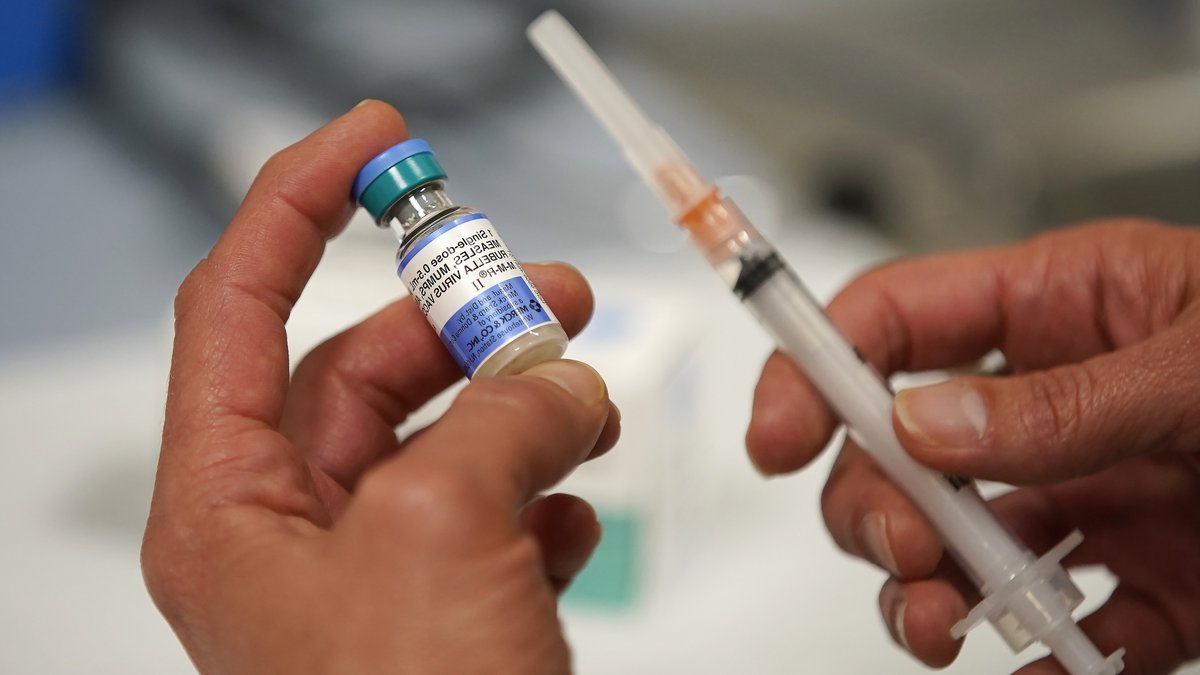
Dr. Amesh Adalja, a senior scholar at Johns Hopkins Center for Health Security, stated that “every one of these deaths was preventable.” Vaccination rates have surged: Pennsylvania providers administered over 56,000 MMR doses in September, up from the usual 25,000 monthly. Pop-up clinics distributed nearly 9,000 doses this year, including over 5,700 at 198 clinics since the outbreak began.
Related Post: Hospital Medicine Transitions Clinic Teaches Better Care Moves
Measles typically begins with fever, cough, and red eyes, followed by a rash. Anyone with symptoms after exposure should contact a clinic before visiting. Emergency care is required for breathing difficulties, confusion, seizures, or dehydration.
The CDC’s weekly updates include only deaths where measles is listed as the underlying cause on death certificates, relying on National Center for Health Statistics data that often lags behind state reporting. Pennsylvania’s definition counts deaths within 30 days of symptom onset in confirmed cases, provided no other cause is identified. This difference means some fatalities may not appear in federal tallies until autopsy or coroner reports are finalized, sometimes months later.
State vs. CDC: Clashing death-reporting rules
State officials argue the CDC’s approach creates confusion for families and providers. Dr. Bogen’s September letter to Schwartz cited a 2024 study in The Journal of Infectious Diseases showing measles complications, including pneumonia and encephalitis, can lead to death within days, even if the virus isn’t the sole cause listed. The state health department urged the CDC to adopt a 30-day window for provisional reporting, similar to flu-related death tracking during seasonal outbreaks. The agency has not responded, though a CDC spokesperson confirmed ongoing discussions with the Council of State and Territorial Epidemiologists.
Vaccine distribution has accelerated in response to the outbreak. Pennsylvania’s pop-up clinics, launched in May, administered 5,700 MMR doses at 198 locations, with high demand in Amish and Mennonite communities where vaccination rates historically lag. The state’s Vaccines for Children program provided free doses to eligible families, while pharmacies and federally qualified health centers expanded walk-in appointments.
Outbreaks persist in schools and faith hubs
Measles transmission risks remain high in crowded indoor settings, including schools, places of worship, and childcare centers. The state’s Oct. 7 data showed 17 ongoing outbreaks in educational facilities, with three schools under quarantine after confirmed cases. Pennsylvania’s Department of Education issued guidance requiring unvaccinated students to either receive the MMR vaccine or submit a physician’s note for exemption, though enforcement varies by district. A Lancaster County school superintendent told reporters that 15% of students remain exempt, down from 22% pre-outbreak, attributing the drop to parental pressure amid rising case counts.
The CDC’s next national update may reflect revised death figures as death records are reviewed. The agency has emphasized that 97% of measles deaths worldwide occur in unvaccinated populations, citing WHO data from 2025. Pennsylvania’s hospitalization rate, one in five cases, has prompted calls for expanded ICU capacity in outbreak zones.


