
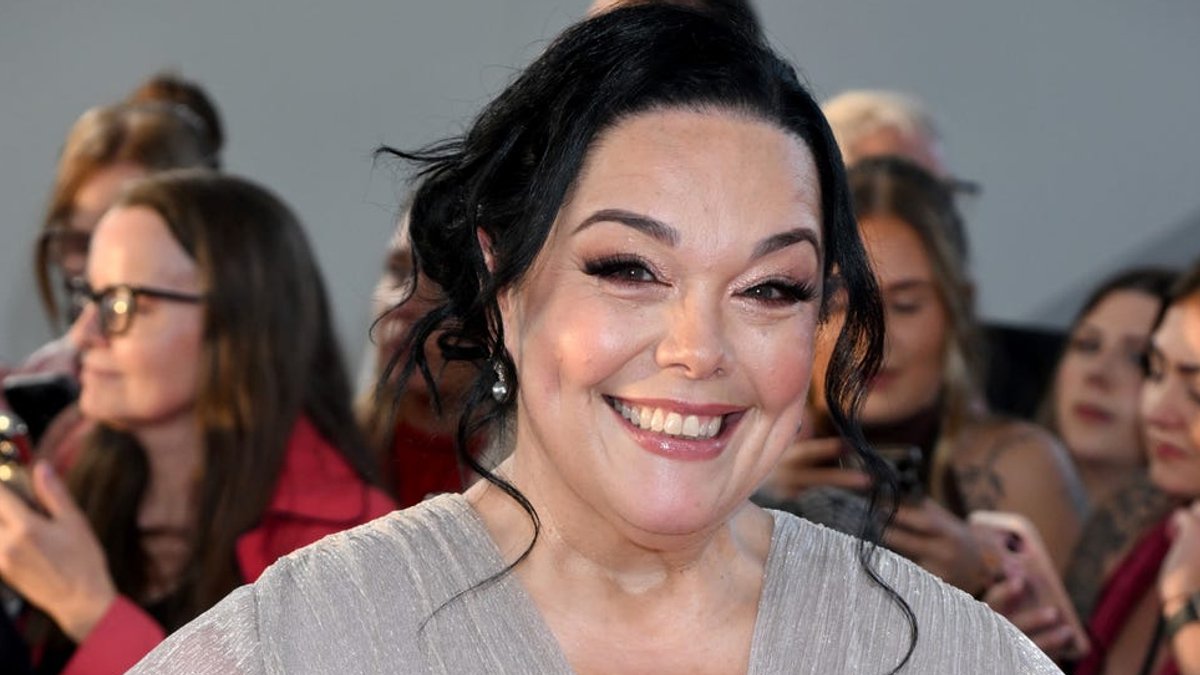
Lisa Riley, the 50-year-old Emmerdale star, shed 12 stone by prioritizing physical activity she genuinely finds pleasurable, rejecting the notion that exercise must be a burden. Her strategy combines scheduled workouts with spontaneous movement, demonstrating that lasting results stem from enjoyment rather than forced discipline.
At the core of her method are activities she anticipates: gym visits, Zumba classes, and regular walking. “I go to the gym because I want to go,” she told Closer. “I like doing classes like Zumba. But I do run around a lot too.” Even during filming, she accumulates 10,000 steps daily without monitoring them—a pattern supported by research linking walking to lower risks of heart disease, dementia, and depression.
Zumba, a fusion of Latin dance and strength training, forms a central element of her regimen. The format blends aerobic movements with dance steps, delivering cardiovascular benefits while maintaining an entertaining structure. “If you allow people to put their spice and flavour [in it] with different dance styles, music and genres, it can be really flexible and well-rounded. It’s a nice cross between the dance and fitness world.” Riley’s engagement with the class illustrates how participation rates improve when activities feel enjoyable rather than obligatory.
Gym sessions complete her weekly schedule, though she stresses satisfaction over exertion. Her preferred exercise is squats, which she credits with giving her a “@jlo ass”. While Riley’s own gym routine can be high-intensity, the bigger takeaway is that she’s found a form of exercise she actively wants to return to, rather than viewing workouts as a punishment.
Walking, frequently dismissed as insufficient exercise, plays a vital role in her daily routine. Riley’s average of 10,000 steps, achieved through on-set activity, aligns with public health guidelines. Her results demonstrate that exercise can be effective without formal programs.
Riley’s experience contrasts with current weight-loss discussions dominated by GLP-1 medications, which promise rapid outcomes. While those treatments deliver quick changes, her method, built on personal preference, demonstrates that lasting transformation depends on habits that feel natural. The key insight is not to mimic her exact routine but to recognize that exercise, like any habit, succeeds when it aligns with individual preferences.


