
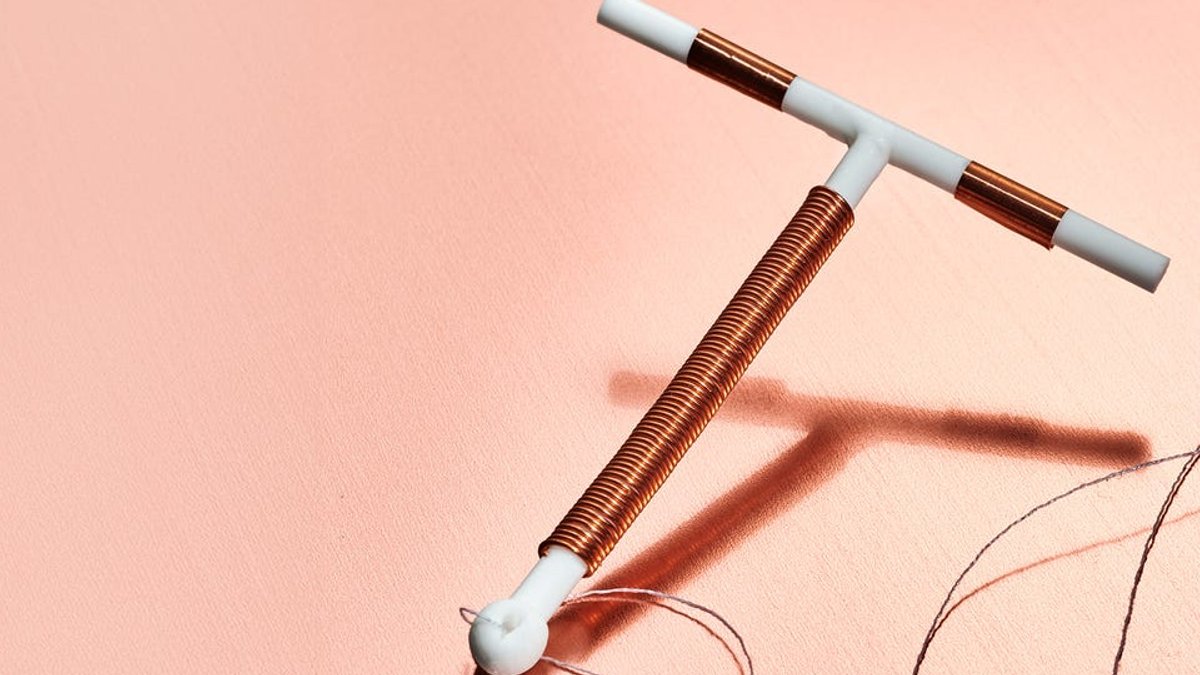
Hormonal intrauterine devices (IUDs) are gaining attention as a non-systemic option for easing perimenopause symptoms, a period marked by erratic estrogen and declining progesterone levels. Doctors note that the localized delivery of progesterone can lessen bleeding and pelvic discomfort while avoiding some side effects of oral therapy.
How hormone therapy is usually delivered
Standard menopausal hormone therapy combines estrogen—often estradiol—with progesterone to protect the uterine lining. Estrogen targets hot flashes and night sweats, whereas progesterone can improve sleep quality and reduce anxiety, according to Heather Hirsch, MD, a certified menopause specialist.
Sophia Yen, MD, a reproductive health specialist, outlines typical regimens: estrogen pills, patches, sprays, gels, or vaginal creams paired with progesterone pills, combination patches, or a progestin-containing patch. In some cases, a hormonal IUD is added to supply progesterone locally.
Why an IUD may be a useful alternative
Hormonal IUDs release levonorgestrel, a synthetic form of progesterone, directly into the uterus. The Mirena and Liletta devices contain 52 mg of levonorgestrel, a dose shown to thin the uterine lining and produce lighter menstrual flow, which can be especially beneficial when periods become heavier during perimenopause.
Because the hormone acts locally, systemic exposure is minimal. Patients who experience sedation, bloating, or mood changes from oral progesterone often find the device’s targeted action more tolerable, says Dr. Hirsch.
Beyond symptom relief, the IUD continues to provide contraception, a factor gaining importance as 2025 data reveal a doubling of unplanned pregnancies among women in their forties and fifties compared with previous years.
There are few absolute contraindications, and pregnancy must be ruled out first. Otherwise, most women can consider an IUD, notes Dr. Yen.
Insertion can be uncomfortable. A study reported that about half of more than 1,000 participants described the procedure as “intense” pain.
For women whose periods are heavy and who dislike daily pills or frequent patch changes, the option offers a set-and-forget solution lasting up to five years for perimenopausal bleeding control, even though the devices are approved for eight years of pregnancy prevention.
However, the device does not regularize irregular cycles. Women with highly unpredictable bleeding patterns may find a hormonal pill or vaginal ring more effective at stabilizing their calendar.
When a history of hormone-sensitive cancers exists, such as certain breast, endometrial, or ovarian tumors, physicians often steer patients toward low-dose vaginal estrogen creams instead of systemic or intrauterine progesterone, to avoid any potential increase in recurrence risk.
Additional symptom relief options
Because the cream’s absorption into the bloodstream is minimal, systemic estrogen levels remain low. This limited exposure means the treatment does not add to the risk of hormone-sensitive cancers, a key advantage for women who must avoid higher estrogen doses. Clinicians frequently recommend the cream when systemic hormone therapy is contraindicated or when patients prefer a localized approach.
Choosing the right delivery method
When deciding between systemic and intrauterine progesterone, the distinction lies in distribution. Levonorgestrel, the active agent in hormonal IUDs, mimics a naturally occurring progesterone variant. Its release stays confined to the uterine environment, reducing the likelihood of side effects that affect the brain, heart, or bones.
Only devices containing the higher levonorgestrel load have demonstrated effectiveness in thinning the uterine lining for this purpose. Lower-dose options such as Skyla or Kyleena lack sufficient evidence and are therefore not the preferred choice for managing midlife bleeding patterns.
Regular follow-up remains essential. Health providers typically reassess IUD performance around the five-year mark, confirming continued reduction of bleeding and confirming that the device still offers uterine protection.
For women whose cycles remain highly irregular, alternatives that suppress ovulation may be more suitable. Hormonal birth control pills, patches, or vaginal rings deliver both estrogen and progesterone systemically, helping to synchronize menstrual timing. These methods also allow for flexible dosing adjustments should symptom severity change.


