
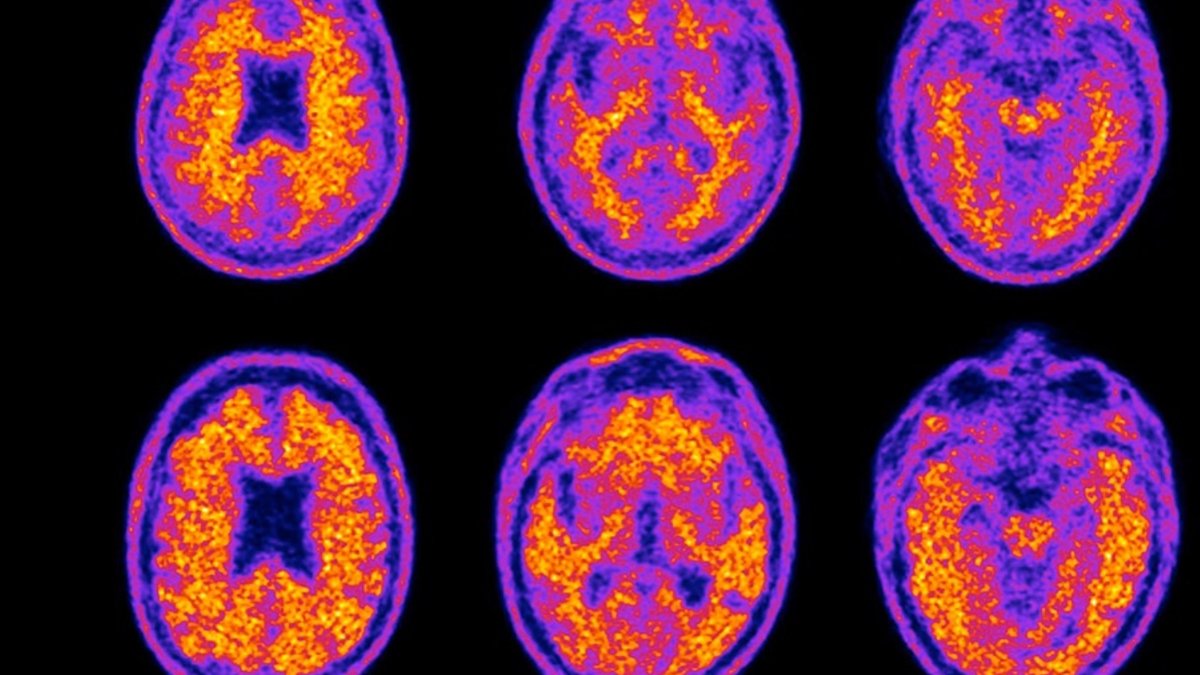
Alzheimer’s patients seeking advanced treatment often struggle to maintain basic lifestyle habits, according to new research. A study of 150 individuals with mild cognitive impairment showed that fewer than 3 percent of those pursuing aggressive anti-amyloid therapy met all 15 brain-health guidelines evaluated by researchers.
Why the group failed the test
The Mass General Brigham Neuroscience Institute led the research, which compared patients actively seeking lecanemab infusions against a control group of 117 individuals receiving standard cognitive neurology care. The goal was to determine if those willing to undergo invasive treatments for early Alzheimer’s disease would also follow established recommendations for lifestyle and health management.
Researchers evaluated 15 potentially modifiable factors associated with cognitive health using a tool called Brain Health Vital Signs. This included 11 factors based on self-reported data, such as diet, physical activity, sleep, social engagement, and mood, as well as four factors extracted from electronic medical records, including blood pressure, cholesterol, and blood sugar levels.
Related: Cannabinoid Promotions Spread Across Social Media
Results showed a significant gap between awareness and action. More than one quarter of the treatment-seeking group fell short on 11 of the 15 factors. Physical activity was the most common failure, with 63 percent of patients not achieving at least 25 minutes of daily activity on most days of the week. The five areas with the lowest adherence were physical activity, mood and stress, hemoglobin A1C, blood pressure, and high body mass index.
The gap between therapy and daily habits
It is easy to assume that patients willing to endure the burden of regular infusions and potential side effects would be equally dedicated to maintaining their physical health. However, the study found no robust difference in adherence between the treatment-seeking group and the control group. Patients pursuing aggressive therapies were not significantly better at following brain health recommendations than those simply receiving standard care.
The findings suggest that simply offering a high-tech medical intervention is insufficient for long-term brain preservation. When you look at similar interventions in other chronic diseases, like hypertension or diabetes, you see that access to expensive medication often does not automatically translate to better self-management of diet or exercise. A patient might faithfully take a pill but ignore the underlying daily behaviors that influence outcomes, creating a disconnect between clinical intent and real-world behavior.
Related: Amino Acid Fights Cancer and Viral Infections
Kirk R. Daffner, the study’s lead author and a neurologist at the Mass General Brigham Neuroscience Institute, noted that the results were unexpected. He said in a press release that because these patients were willing to tolerate the risks of the medication, he expected them to be highly motivated to protect their brains through other means.
Study limitations include the observational nature of the research, which cannot establish that failing to follow a specific recommendation causes the disease to worsen. Additionally, the treatment-seeking group was nearly all white, highly educated, and financially comfortable, which may limit how broadly the findings apply to other populations.
Study limitations include the observational nature of the research, which cannot establish that failing to follow a specific recommendation causes the disease to worsen.


