
The new Medicare GLP-1 discount offers a $50 monthly price tag for weight loss drugs, but it comes with a significant limitation for patients like Jeff La Marca. In January, La Marca received a prescription for Zepbound, a popular weight loss medication, but the standard $750 monthly copay was out of reach.
When the federal government launched an 18-month pilot program offering GLP-1s for $50 a month, La Marca hoped for relief. The 68-year-old retired professor from New Jersey had tried diets and exercise with no success, so the prospect of affordable treatment seemed promising.
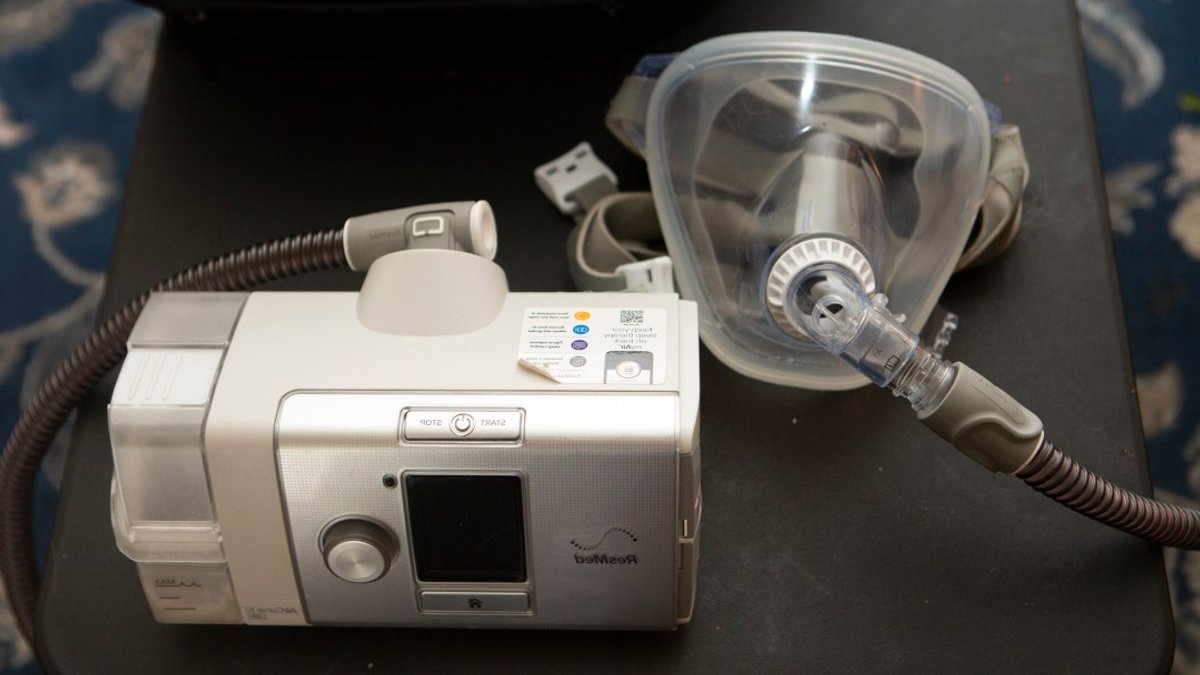
His application to the so-called Bridge program was denied almost immediately. La Marca has severe obstructive sleep apnea, a diagnosis that disqualifies him from the program’s lower cost sharing despite his significant health risks.
Related: Phones harm children’s reading ability
Who Doesn’t Qualify for Cheaper Drugs
The Bridge program, which launched this summer, is designed to test if subsidizing these drugs for weight loss saves Medicare money in the long run. The pilot includes Wegovy, the KwikPen formulation of Zepbound, and the oral medication Foundayo.
To qualify, patients generally need a body mass index of 35 or higher. Those with a slightly lower BMI, between 27 and 34, may qualify if they have prediabetes or cardiovascular disease.
However, the subsidy applies strictly to the drug’s use for weight loss. If a patient uses the medication to treat a condition the FDA has approved it for, such as Type 2 diabetes or obstructive sleep apnea, they are routed back to their standard Medicare Part D plan.
Related: Hospital Medicine Transitions Clinic Teaches Better Care Moves
This strict separation of drug function creates a confusing overlap for patients whose health issues are deeply interconnected. An individual’s obesity is often the root cause of their sleep apnea, yet the program treats the conditions as separate entities, forcing a choice between managing the underlying cause and paying a premium for the symptom reduction.
The Cost of Prior Authorization
Estimates suggest about 5.9 million Medicare enrollees are excluded from the $50 discount due to conditions like diabetes or sleep apnea. The program is estimated to cost the government between $3.3 billion and $10 billion depending on enrollment rates.
A HIP, the insurance industry trade group, pointed to drugmakers for setting prices that insurers cannot lower. La Marca’s insurer declined to comment on his specific case.


